
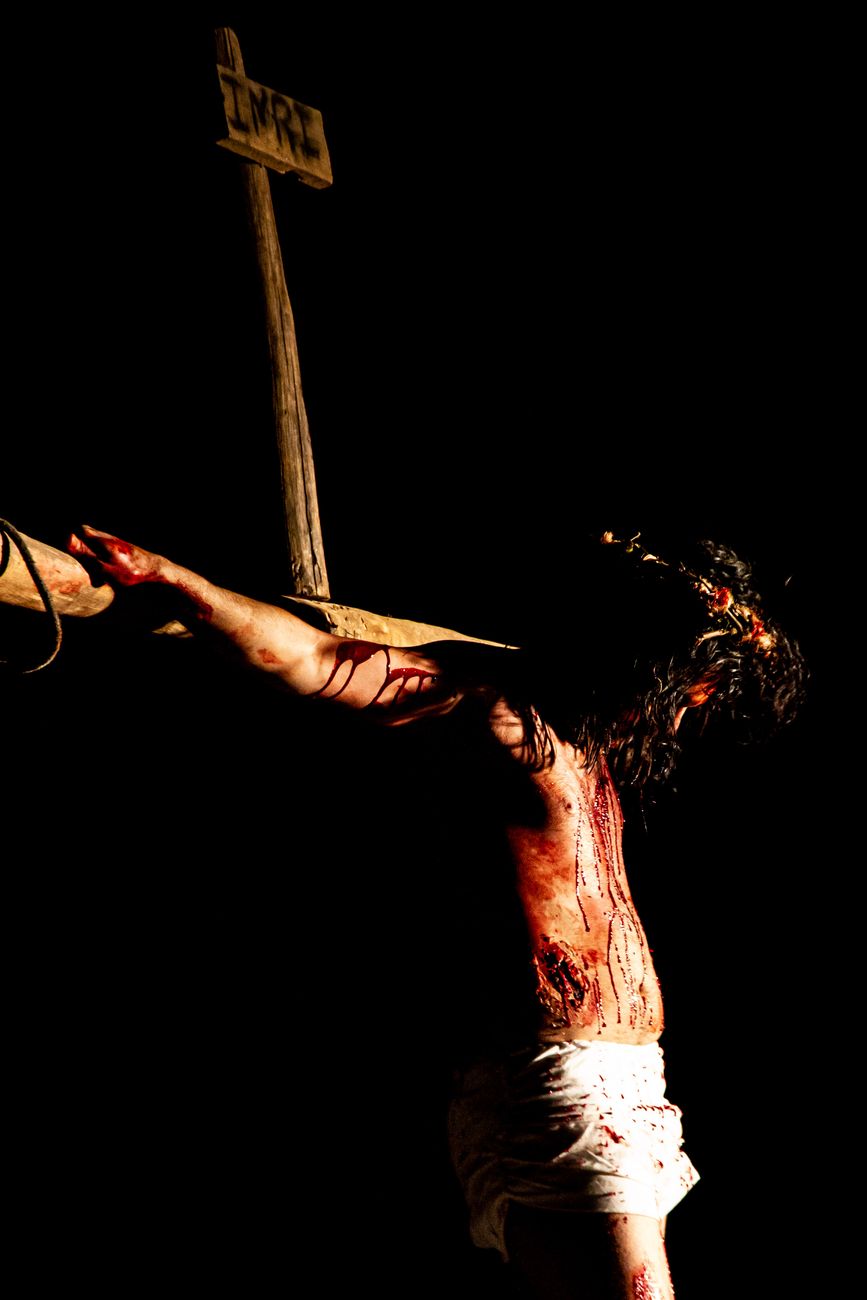
After proclaiming that Jesus suffered under Pontius Pilate, the Apostles’ Creed continues with three solemn words: crucified, died, and was buried. The Church could simply have said that Jesus died, yet the Creed deliberately lingers over these moments. It reminds us that Christ’s sacrifice was complete. He did not merely appear to suffer, nor did he escape the reality of death. The eternal Son of God embraced the fullness of our humanity, including the final mystery that every human being must one day face.
Crucifixion was one of the cruelest forms of execution in the ancient world. It was designed not only to kill but also to humiliate. Those condemned to the cross were stripped of dignity, exposed to public shame, and left to die slowly before the eyes of others. By accepting the Cross, Jesus entered the deepest forms of human suffering. He willingly stood alongside all who have been rejected, abused, humiliated, forgotten, or treated as though their lives had no value. There is no depth of human pain into which Christ has not descended.
Yet even upon the Cross, Jesus never ceased to love. He forgave those who crucified him. He entrusted his mother to the beloved disciple. He welcomed the repentant thief into paradise. His final moments were not consumed by hatred, bitterness, or revenge, but by mercy, compassion, and trust in the Father. Even while enduring humanity’s greatest violence, he revealed humanity’s greatest calling: to love without ceasing.
The Creed then tells us that Jesus died. These words are simple, yet they carry immense significance. Christianity proclaims that God truly entered death itself. Jesus did not merely appear to die, nor did he somehow remain untouched by mortality. His heart ceased to beat. His breathing stopped. Those who loved him mourned him as they would mourn anyone they had lost. In choosing to die, Christ embraced the destiny shared by every human being. Because of this, there is no death that God has not entered and no grave from which Christ remains absent.
Finally, the Creed tells us that Jesus was buried. Joseph of Arimathea and Nicodemus lovingly prepared his body and laid him in a borrowed tomb. The One who had nowhere to lay his head during much of his ministry was now laid to rest in the earth he himself had created. The burial confirms that Jesus truly died, but it also introduces one of the great spiritual mysteries of the Christian life: the mystery of holy waiting.
Between Good Friday and Easter morning there was silence. The disciples did not yet know that resurrection was coming. They knew only grief, confusion, disappointment, and loss. From every outward appearance, God’s work seemed to have ended in failure. Yet beneath the silence, God was accomplishing what no one could yet see. The tomb was not the end of the story. It was the hidden place from which new life would emerge.
Many of us experience seasons that resemble the tomb. There are times when prayers seem unanswered, when grief feels overwhelming, when hope appears buried beneath disappointment, or when God seems strangely silent. We naturally long to rush toward resurrection, but the Creed reminds us that even Jesus passed through death and burial before new life was revealed. Sometimes faith means trusting that God is still at work, even when we cannot yet see the beginning of Easter.
This mystery also teaches us something about surrender. Every day we are invited to lay something down before God: old wounds, resentments, fears, false identities, ambitions, or habits that keep us from living freely in Christ. Just as a seed must be buried before it can grow, there are parts of our lives that must be entrusted to God before they can be transformed. The Cross calls us to self-giving love, while the tomb teaches us to trust God’s work even in seasons of waiting.
To confess that Jesus was crucified, died, and was buried is therefore to proclaim that there is no place where God’s love cannot reach. Christ has entered suffering, death, grief, and even the silence of the grave. Because he has gone before us, we need never face these realities alone. The tomb reminds us that God’s apparent silence is never God’s absence. Even when all seems lost, the Creator is quietly preparing the dawn of a new creation.
Questions for Reflection
- What does it mean to you that Christ embraced not only suffering, but death itself?
- Have there been times when your life has felt like the silence of Holy Saturday, when God seemed hidden but was still at work?
- Is there something in your life that you need to entrust to God before new life can emerge?
- How does Christ’s forgiveness from the Cross challenge the way you respond to those who have hurt you?
- In what ways can the hope of resurrection help you face grief, loss, or uncertainty with greater trust?
- Spend a few moments in silence imagining the stillness of the tomb. Rather than rushing ahead to Easter morning, simply rest in the assurance that even in silence, God remains present and continues his work of redemption.