
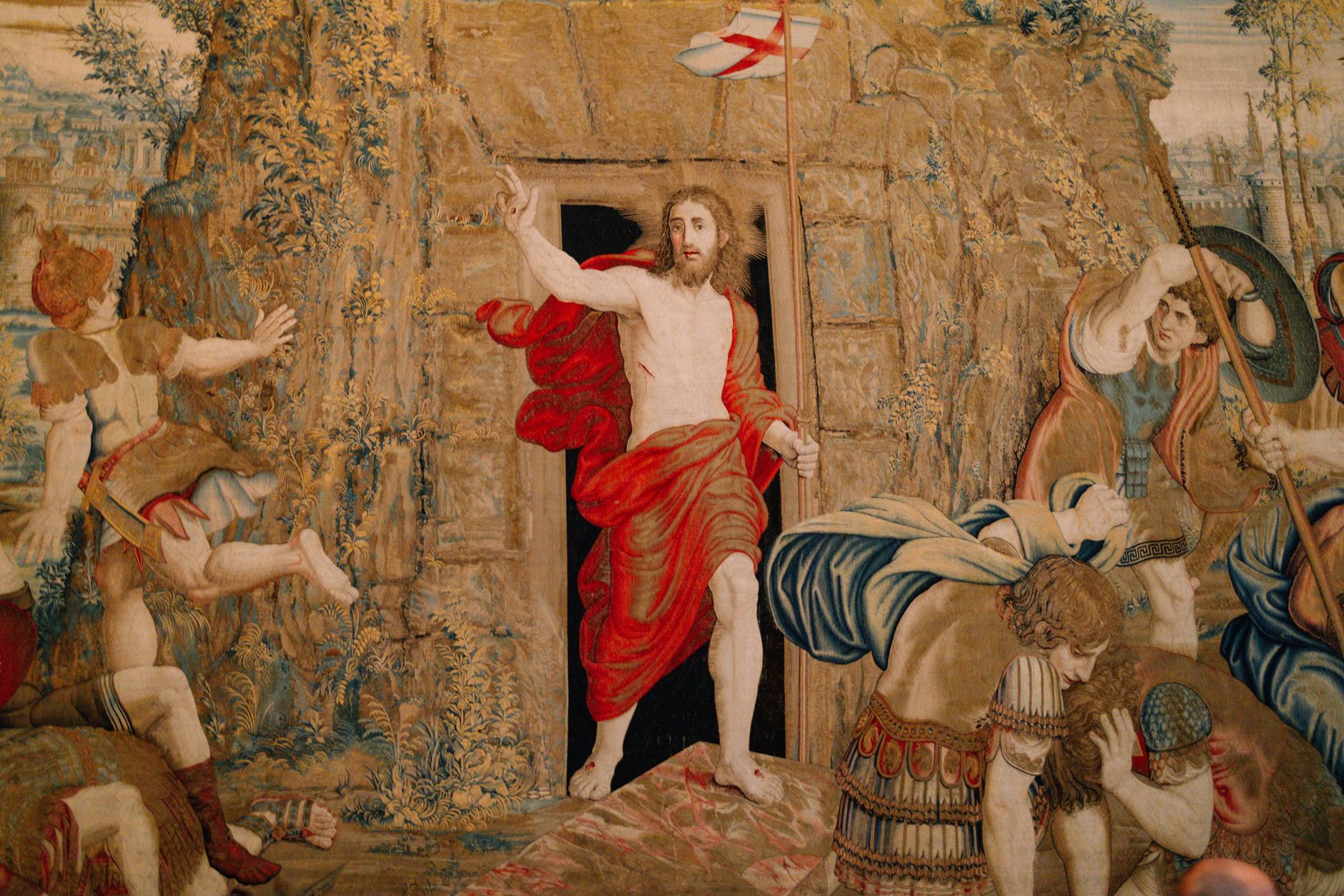
After confessing that Jesus was crucified, died, was buried, and descended into the realm of the dead, the Apostles’ Creed proclaims the heart of the Christian faith: on the third day, he rose again. Without the Resurrection, Christianity would simply be the story of a remarkable teacher whose life ended in tragedy. The Resurrection changes everything. It declares that death does not have the final word, that love cannot be defeated, and that God’s creative power continues even when all hope appears to have been lost.
The Resurrection is not simply the reversal of Jesus’ death. Scripture presents it as the beginning of a new creation. Just as God spoke light into the darkness at the beginning of Genesis, so the Father now brings forth new life from the darkness of the tomb. Easter morning is not merely the happy ending to Good Friday. It is the dawn of a renewed creation in which death, sin, and despair no longer possess ultimate authority.
One of the most striking features of the Resurrection accounts is their quietness. There is no description of the moment Jesus rises from the dead. No Gospel writer attempts to describe what no human eye witnessed. Instead, we are invited to stand with the women who arrive before sunrise, to see the stone rolled away, to encounter the empty tomb, and to hear the astonishing announcement: “He is not here; he has risen.” The greatest event in history begins not with spectacle, but with silence giving way to hope.
The risen Christ also appears in ways that reveal the nature of God’s kingdom. He does not first present himself to emperors, priests, or political leaders. He comes to those who loved him and mourned him. He speaks Mary’s name in the garden. He walks beside two discouraged disciples on the road to Emmaus. He enters a room filled with frightened followers and greets them with peace. Even after conquering death, Jesus continues to reveal himself with the same gentleness, compassion, and humility that marked his earthly ministry.
The Resurrection also transforms the way we understand our own lives. Every one of us experiences moments that resemble Good Friday and Holy Saturday. We know what it is to lose someone we love, to watch dreams come to an end, to struggle through seasons of grief, disappointment, illness, or uncertainty. There are times when hope seems buried and the future appears empty. Easter does not deny these realities. Rather, it proclaims that God is able to bring life precisely where death appears to have prevailed.
This pattern can be seen throughout our lives. Broken relationships are sometimes healed. Hearts hardened by resentment learn to forgive. People burdened by addiction discover freedom. Those who have lived for years without hope begin to believe again. Even when circumstances remain difficult, the Holy Spirit quietly raises within us new courage, deeper compassion, and greater trust. Resurrection is not only something we await at the end of history. It is a pattern of God’s grace that continually unfolds within our lives, bringing renewal where we believed none was possible.
At the same time, the Resurrection points beyond our present experience toward the future God has promised. Christians do not believe merely that Jesus survived death. We believe that he conquered it. His Resurrection is the first fruits of what God intends for all creation. Just as Christ was raised, so we also live in the hope that death itself will one day be overcome and that all things will be made new. This hope does not lead us to ignore the present world; it gives us the courage to live faithfully within it, trusting that our labor in love is never in vain.
To confess that Jesus rose again on the third day is therefore to proclaim that God’s love is stronger than death, his mercy greater than sin, and his life more powerful than the grave. Every sunrise reminds us that darkness does not last forever. Every seed that emerges from the earth reminds us that buried things can live again. Every act of forgiveness, every moment of healing, every renewed hope becomes a small reflection of the greater Resurrection that began on Easter morning. Christ is risen, and because he lives, we are invited to live with confidence that nothing—not suffering, not death, nor any darkness we encounter—can ultimately separate us from the life and love of God.
Questions for Reflection
- What does the Resurrection reveal to you about the character of God?
- Have you experienced a time when God brought new life out of loss, disappointment, or grief?
- Where in your life do you most need the hope of Easter today?
- How does believing in Christ’s Resurrection shape the way you face suffering and death?
- In what ways can you become a bearer of resurrection hope for someone who is struggling?
- Spend a few moments reflecting on an area of your life that feels closed or lifeless. Offer it to the risen Christ, asking him to breathe new life into it according to his wisdom and love.