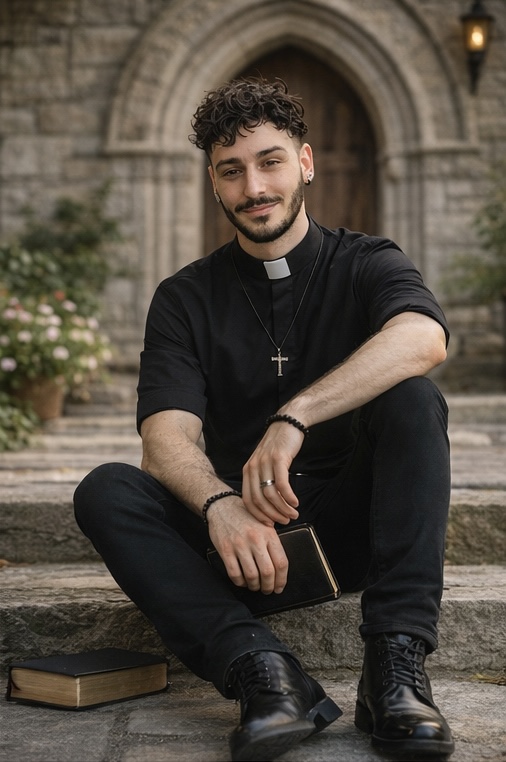
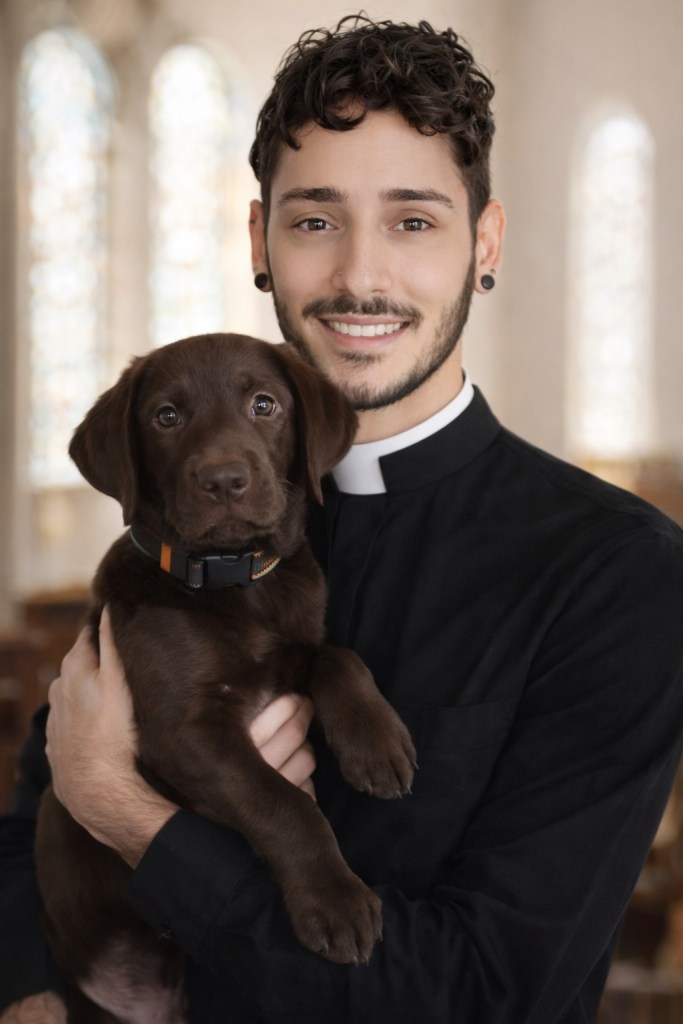
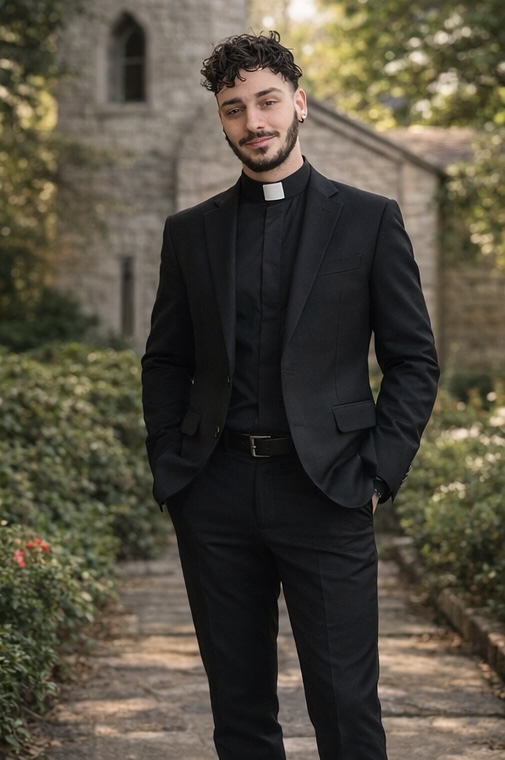
Peace! I am Rev. Austin, an Anglican priest whose vocation is shaped by prayer, presence, and faithful attentiveness to the work of God in ordinary life. My ministry is rooted in the Anglican tradition and sustained by the Daily Office, the sacramental life of the Church, and a steady commitment to showing up—again and again—with reverence, humility, and care. I understand priesthood not as a position of authority, but as a lifelong discipline of availability: standing with others before God, listening deeply, and trusting the quiet work of grace.
Alongside my priestly formation, my work is informed by an academic background in theology, education, psychology, and spiritual direction. I am a trained educator and developmental psychologist, and I continue advanced doctoral work focused on human development, meaning-making, and the ways people grow, struggle, and heal across the lifespan. This training shapes how I listen and how I serve. It allows me to approach spiritual care with both pastoral sensitivity and psychological insight, honoring the complexity of the human person—mind, body, spirit, and story.
I am also a member of the Order of Julian of Norwich, a contemplative community inspired by the life and witness of Mother Julian. This affiliation grounds my priesthood in silence, prayer, and trust in God’s sustaining love. Much of my life and ministry is intentionally shaped by periods of quiet contemplation—not as withdrawal from the world, but as a form of faithful presence within it. I understand silence as an act of intercession: time offered on behalf of the Church, for those who suffer, and for every person and living being in the world. In this way, prayer becomes a hidden labor of love, entrusted to God for the healing and reconciliation of all things.
I hold a deep conviction that every person has a faith, whether or not they belong to a formal religion. Human beings are meaning-making creatures, oriented toward what they love, trust, and ultimately give themselves to. In that sense, faith is not limited to creeds or institutions, but is woven into the fabric of human life itself. I also believe that the fullness of God is accessible to all people, everywhere, regardless of creed, background, identity, or life circumstance. God is not confined by religious boundaries, moral categories, or institutional gatekeeping, but is already present and active in every life.
For this reason, I understand spiritual formation as the work of God rather than organizations or institutions. Traditions, communities, and practices can serve as vessels of grace, but they are never the source of it. Forming and shaping our lives belongs ultimately to God alone. My role is not to control, correct, or direct that work, but to remain open to it—first in my own life, and then in my companionship with others. I simply live in attentiveness to what God is already doing, and I share that posture of openness with those I serve.
My ministry is centered on spiritual companionship. I offer spiritual direction, teaching, and pastoral care to individuals and communities navigating questions of faith, identity, vocation, and belonging. Many who come to me carry grief, doubt, or spiritual exhaustion; others are returning to faith after long seasons of distance or harm. I seek to provide a space that is steady, honest, and non-coercive—a place where questions are welcomed, silence is respected, and God is trusted to lead at a pace that is both gentle and true.
I serve intentionally within interfaith and interspiritual contexts, welcoming Christians of many expressions, those who have been wounded or estranged from the Church, and seekers from other religious traditions who are drawn to Christ-like values without pressure toward conversion or conformity. My interfaith work is grounded in respect for difference and reverence for the sacred dignity present in every tradition. I do not seek to blur religious boundaries, but to cultivate genuine listening, shared presence, and faithful encounter across them.
At the heart of my vocation is the conviction that God is encountered not only in doctrine or ritual, but in conversation, silence, suffering, joy, and the unnoticed moments of daily life. Much of my ministry is quiet and relational—praying with others, listening to their stories, accompanying them through seasons of change, and helping them become more attentive to the presence of God already at work within them. I am less interested in providing answers than in helping others learn how to listen—to God, to themselves, and to the movement of grace unfolding in their lives.
My priesthood is lived intentionally, shaped by tradition and oriented toward the future. I serve as one who walks alongside rather than ahead, trusting that God is already present in every life and every story. My ministry exists to offer space: space for prayer, reflection, healing, and a deeper awareness of the Divine love that sustains all things.
 Rev. Austin English